The Blind Box Unboxing Experience: Everything First-Timers Need to Know (Before You Rip That Wrapper)
Ken · Blind Box Comp
April 10, 2026
So you've finally caved. Maybe a friend showed you their Molly collection and something clicked. Maybe you scrolled past a TikTok of someone losing their mind over a Skullpanda pull. Or maybe you're just looking for a new hobby that doesn't involve staring at screens (ironic that you're reading this online, but we digress). Whatever brought you here —welcome. You're about to enter one of the most deceptively simple yet psychologically brilliant hobbies ever invented. This is your no-BS guide to what actually happens when you buy that first blind box, from the moment money leaves your wallet to the second you're rearranging your shelf to make room for plastic creatures you never knew you needed.
Phase 1: The Pre-Purchase Jitters (Totally Normal)
Let's address the elephant in the room: buying your first blind box feels weird if you're used to knowing exactly what you're getting for your money. We're conditioned from childhood to peek inside cereal boxes, read reviews before purchasing, and generally minimize uncertainty in our transactions. Blind boxes flip all of that on its head deliberately.
Here's what nobody tells you about those pre-purchase nerves:
- The paradox of choice paralysis: Standing in front of a wall of 50 different series, each with 12 designs you can't see, triggers actual decision fatigue. It's normal to stand there for 15 minutes looking helpless.
- "What if I get the worst one?" syndrome: Yes, there's always a design that's clearly less popular than others (we call these "the dupes" in collector slang). But here's the secret —even the "worst" figure usually grows on you once it's yours.
- Budget anxiety: $15—25 isn't life-changing money, but when you don't know what you're getting, every dollar feels weighted differently. This is your brain processing risk/reward calculations in real-time.
Facing the display wall without freezing
Choice overload is real: a single Pop Mart wall can show 12+ live series. Pick your series before you go (check the full lineup on the official site), and set a one-series rule per visit. Your wallet will thank you by the checkout line.
Phase 2: The Ritual Begins (This Is Where Magic Happens)
Okay, you've picked your poison (let's say it's a Pop Mart Dimoo Space Travel series because you have excellent taste). Now comes the part that separates casual buyers from people about to develop a serious habit: the unboxing ceremony itself.
Step 1: The External Examination
Before you tear anything, experienced collectors do a quick exterior scan:
- Check the weight: Pick up the box and heft it. Heavier usually means accessories or complex molding (often desirable figures). Lighter might mean simpler designs.
- Feel for movement: Gently shake the box (not too hard —you're not trying to blend a smoothie). Does the figure rattle freely or feel snug? Snug often means larger pieces.
- Inspect the corners: Dented corners suggest rough handling but also sometimes indicate previous customers squeezed the box trying to guess contents (rude, but informative).
- Look for codes: Some brands print tiny batch numbers or symbols that seasoned collectors have decoded into probability maps. Pop Mart purists swear by this.
⚠️ Reality Check on "Feeling Techniques"
Be honest with yourself: these methods are maybe 60% accurate at best. Brands know people do this and design packaging to resist detection. Don't beat yourself up if your "guaranteed method" fails. Part of the fun is surrendering control.
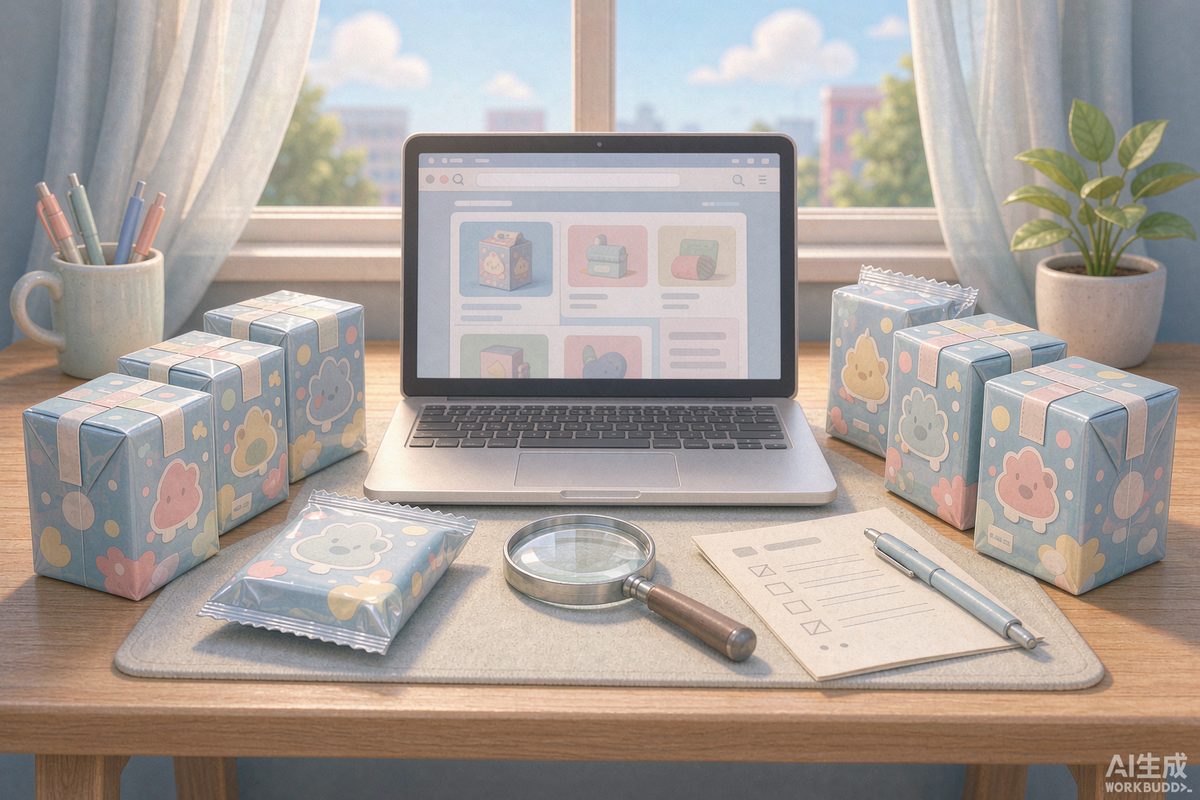
30-second box inspection before you buy
- Check shrink wrap: factory wrap is tight and even; re-wrapped boxes look wrinkled or taped.
- Weigh it in hand if the series allows — secret figures don't have a standard weight, but an unusually heavy box can mean a filled or tampered insert.
- Look for dents or creases on corners: crushed corners often mean dropped boxes and damaged figures inside.
- Verify the authenticity sticker/QR code is present and hasn't been peeled or re-stuck.
- Avoid any box with a visible seam cut — someone may have felt or scanned it already.
Step 2: The Peel (Most Satisfying Moment Ever)
This is it. The moment of truth. Different brands use different sealing methods:
- Pop Mart: Heat-sealed plastic wrap that requires finding the perforated tab and pulling cleanly. Satisfying *shhhrip* sound included.
- 52TOYS: Often uses sticker seals on flap boxes. Peel slowly to avoid tearing the artwork underneath (collectors keep boxes).
- Sonny Angel: Classic foil wrapping that crinkles delightfully. Almost nostalgic, like unwrapping a piece of candy.
- TOPTOY: Varies by series, but usually shrink-wrap similar to Pop Mart.
Pro tip: Have your phone camera ready. Not just for social media (though that's valid) —but because the reveal happens fast and you'll want to capture the genuine reaction. Future you will thank present you for documenting the exact moment you either scored big or got the dupe you'll eventually love anyway.
Step 3: The Reveal (Hold Your Breath)
Inside the outer packaging, you'll typically find:
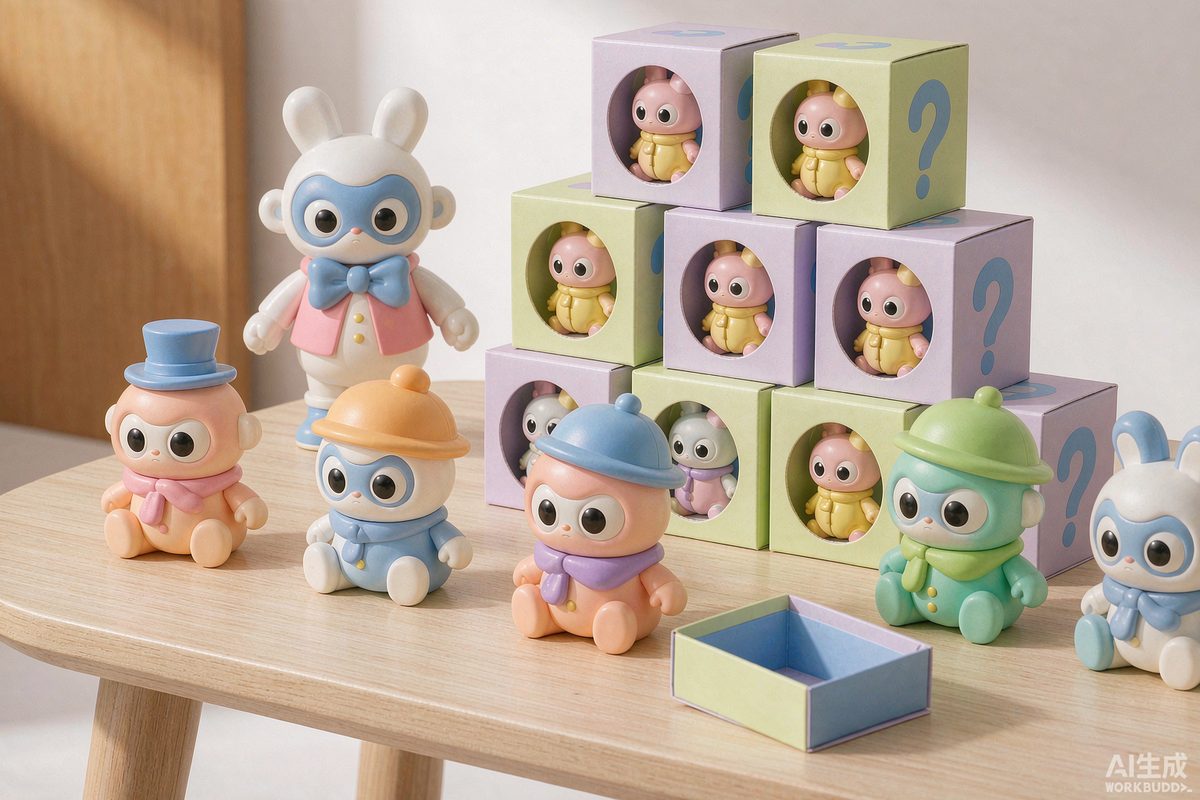
- An inner box or bag: Another layer of mystery. Some brands use opaque bags; others use smaller printed boxes with character silhouettes visible through windows.
- A character card: Shows all possible designs in the series so you can identify what you pulled. Essential for trading later.
- The figure itself: Usually wrapped in tissue paper or nestled in form-fitting foam/tray. Handle gently —some accessories are tiny and easily lost.
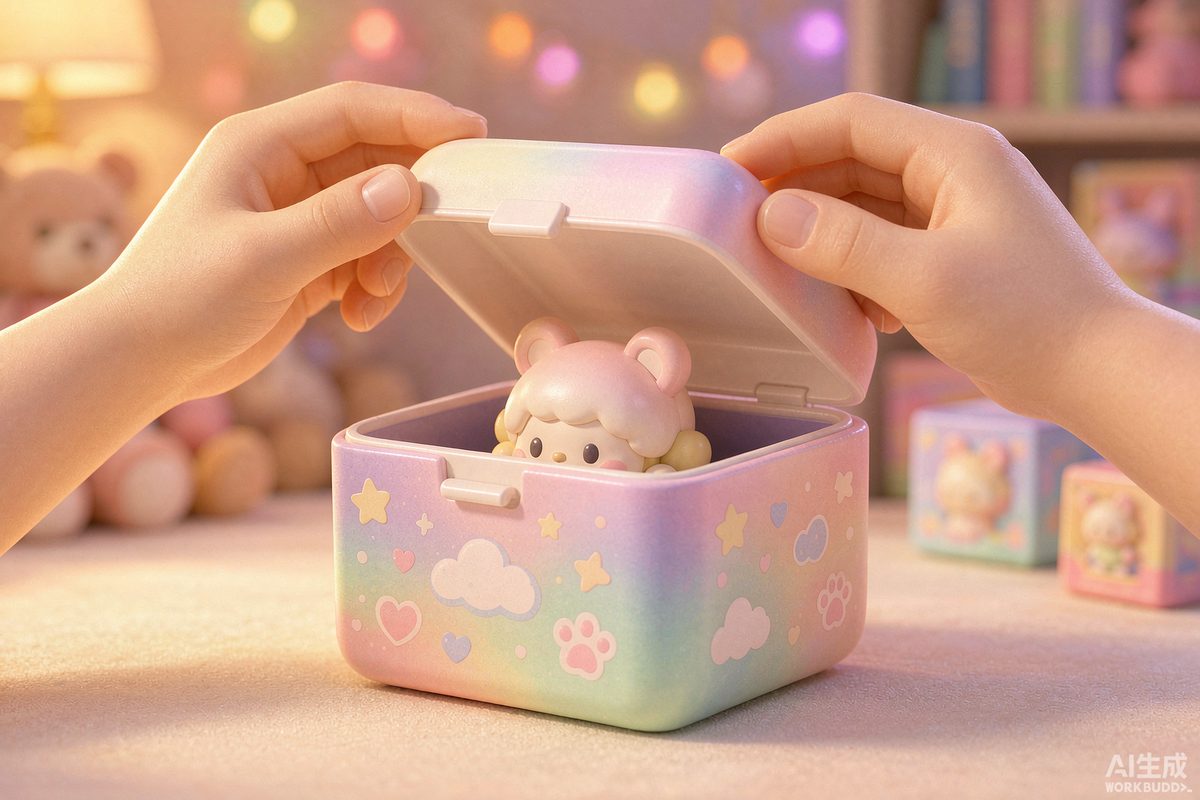
Savor the reveal (it's the whole point)
The reveal moment — peeling foil, lifting the lid, identifying the figure by silhouette alone — is the core loop of the hobby. Unbox over a clean surface, keep the packaging until you've confirmed the figure's condition, and photograph pulls you plan to trade: condition disputes are the #1 trading headache.
Phase 3: Post-Unboxing Emotions (The Rollercoaster)
Nobody talks about this enough, but your emotional journey after the reveal follows a surprisingly predictable pattern:
Initial Processing
"Wait, which one is this again?" *checks card* "Oh! Okay..."
Reaction Phase
Either pure joy or mild disappointment. Both normal. Both temporary.
Acceptance & Bonding
Within 24 hours, you've named them, given them a backstory, and can't imagine not owning them.
Seriously —the psychology behind why we quickly grow attached to random chance outcomes is fascinating. Behavioral economists call it "irrational endowment effect." Basically, the mere act of ownership makes us value things more highly, even if we didn't choose them specifically. Your brain literally rewires to justify "yes, this random astronaut Dimoo was exactly what I wanted all along."
| Phase | What You Feel | What's Actually Happening |
|---|---|---|
| 0–2 sec: Identification | “Which one is it?” | Pattern matching against the lineup sheet you memorized |
| 2–10 sec: Assessment | “Is this one good?” | Social comparison — rarity tiers you've absorbed from the community |
| 10+ sec: Attachment | “Okay, I actually love it” | Effort justification: opening it yourself creates ownership bias |
The three phases of post-unboxing emotion — knowing them keeps spending honest
Making the Most of Your Haul: Display & Care Tips
Congratulations, you now own a small piece of designer toy history. Here's how to treat it right:
Display Like You Mean It
- Avoid direct sunlight: UV rays yellow PVC over time. If you must display near windows, rotate figures quarterly.
- Dust management: Use compressed air (like for electronics) or soft artist brushes. No harsh chemicals or water unless absolutely necessary.
- Acrylic cases: For premium pieces, consider individual display cases ($5—15 each). They protect from dust, pets, and accidental knocks while looking museum-quality.
- Themed arrangements: Group by series, color palette, or "vibe." Curating your display is half the fun of collecting.
Keeping Boxes (Yes, Really)
New collectors often trash boxes immediately. Don't. Here's why serious collectors hoard cardboard:
- Resale value: Complete-in-box (CIB) commands 20—0% premiums over loose figures.
- Trading leverage: Other collectors prefer trading for boxed items. It proves authenticity and condition.
- Nostalgia factor: Years from now, you'll appreciate having original packaging showing release dates and series info.
- Storage solution: Flat-packed boxes stack easily in closets if you ever need to downsize your display.
Keeping your collection display-worthy
- Keep figures out of direct sunlight — UV yellows vinyl within months.
- Dust weekly with a soft brush; avoid wipes with solvents that dull the finish.
- Floating shelves with LED strips (warm white, low heat) show off silhouettes without cooking the plastic.
- Save boxes and cards for figures you might trade — complete-in-box trades 20–30% higher.
When Things Go Wrong: Common First-Timer Mistakes
We've seen it all. Learn from others' pain:
❌Buying 20 boxes on day one
Enthusiasm is great, but pace yourself. Start with 2— boxes from a single series you genuinely like. Learn the rhythm before going full hamster mode on your credit card.
❌Ignoring fakes because "it's cheaper"
$5 savings isn't worth toxic materials, terrible paint jobs, and zero resale value. Read our fake detection guide before buying from unfamiliar sellers.
❌Throwing away character cards
Those little cards seem like trash but they're essential for identifying figures during trades and proving authenticity. Get a small binder or card sleeve collection going immediately.
❌Only chasing "valuable" figures
If you only collect what's "worth money," you'll miss the joy of discovering personal favorites. Some of the most beloved community figures started as overlooked "dupes" that developed cult followings.
You're Officially Hooked. Now What?
Welcome to the club. Seriously —once you've experienced that first proper unboxing, there's no going back. The question becomes: how do you sustain this hobby without going broke or running out of shelf space?
Our advice: set a monthly budget (even $30—50 is plenty to stay engaged), join online communities (Reddit's r/blindboxes, Facebook groups, Discord servers), and remember that this should be fun above all else. The moment it feels like stressful work, take a step back. There will always be new series. You don't need to catch 'em all.
🎁 Ready for Round Two?
Now that you know the ropes, check out our brand comparison guide to figure out which companies align with your aesthetic preferences and budget. Or dive into our rarest figures list if you're already thinking long-term investment strategy (we see you, planner).
Questions about your first unboxing experience? Got a wild pull story to share? Drop it in the comments below —we read everything and love hearing from newcomers joining the addiction... er, hobby.
Written by Ken · Blind Box Comp
Ask any collector — the butterflies never really go away. This guide distills hard-won, often expensive lessons into actionable advice for anyone taking their first step into the wonderful, slightly obsessive world of blind box collecting.
Ready to Start Your Own Collection?
Start with a brand that matches your taste and budget — the links below go straight to the official Amazon storefronts at MSRP. These are affiliate links; purchases may earn us a commission at no extra cost to you.